A Thousand Faces at the Old Market
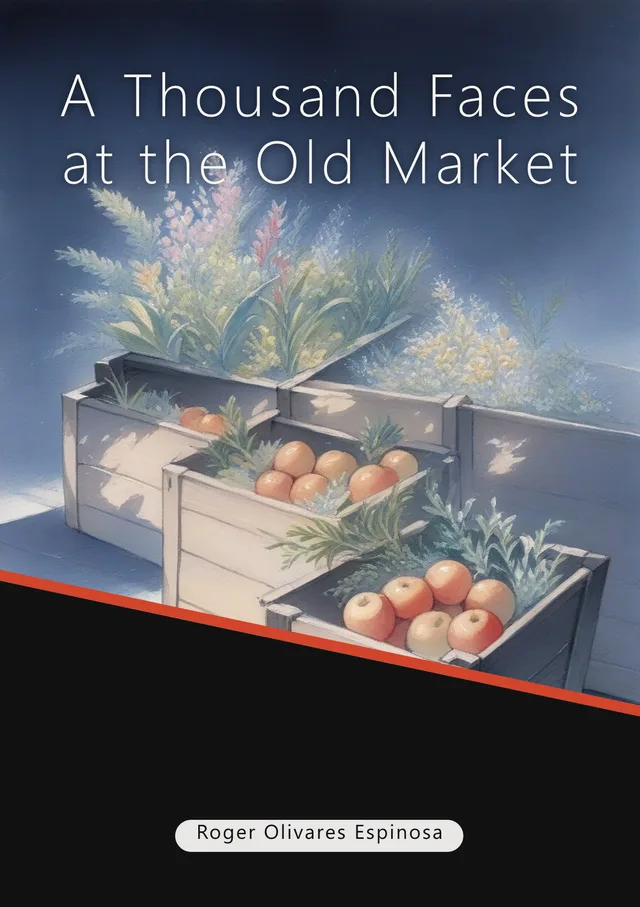
by Roger Olivares Espinosa

Trinity Books · November 2, 2026

Fair-play puzzles with a warm, nostalgic heart.

Reading time: About 3 h 0 min (at 230 words a minute)

Read it in another language · 10

Read on the web (can be saved for offline reading). Open it from My books after purchase.

$12.30 tax included

DeliveryIn your bookshelf right after purchase

Length218 pages

You can choose and buy any language edition here (this page stays in your language).

Choose a format

Details

AuthorSpain Roger Olivares Espinosa
CategoryPuzzle mysteries / Mystery / Detective and police stories
Language of the bookEnglish
PublishedNovember 2, 2026
Length218 pages
Product numberTB-W0015-EN
Reading timeAbout 3 h 0 min (at 230 words a minute)
Print-ready PDFA5 · interior PDF and cover PDF (with bleed: two versions, 3 mm and 3.175 mm, can be downloaded.) · 218 pages

Categories of this book

CategoriesStoriesPuzzle mysteries

CategoriesStoriesMystery

CategoriesStoriesDetective and police stories

About this book

Inside: 25 switched-identity cases, from twins at the fish stall and a stand-in behind the cheese counter to swapped masks at the midsummer night market and a false name at the farewell auction; an inspector who has walked the Old Market for thirty years; you as her new sergeant for its last twelve months; and two different ways to solve every case.

One year, one old market, a thousand faces. Which of them are lying?

The Old Market has one year left. Under its iron roof are a fish hall, a flower hall, a long hall of food stalls, a gallery of clocks upstairs and a corner café with steamed-up windows. On New Year's Eve its doors will close for good.

You arrive in January as a young sergeant at the side of Inspector Elena Dorn, who knows every stall and every stallholder. Month by month, the two of you meet people who are not who they say they are: twins who trade places, a borrowed name, a coat that changes hands, a stranger at the chess tables who claims to be a champion.

Every case is fairly hard, and every clue is on the page before the answer. When you have made your guess, the book shows two different ways to reach the truth, so that you can check your own reasoning and learn a second way of looking.

Case by case, you will learn to

  • Notice the small physical details that give a false identity away
  • Use timing and the order of events to test a story
  • Join two or three clues together before deciding
  • Find a second route to an answer you have already reached
  • Ask the question a good detective asks next
  • Read a crowded place the way an old inspector does

Contents

  • The Bell Before Opening
  • Prologue: A stranger is roasting the chestnuts today
    1. First: The cart left the lodge before the bell
    2. Second: Two grey scarves at the main gate
    3. Third: The first way, by the heat of the coals
    4. Fourth: The second way, by the orange darn
  • Chapter 1: The clockmender's nephew throws with the wrong hand
    1. First: A nephew nobody had seen for fifteen years
    2. Second: The darts team on the café wall
    3. Third: Repair tickets written in a hurry
    4. Fourth: The first way, by the hand that holds the dart
    5. Fifth: The second way, by Pim's bell rope
    6. Sixth: Every watch goes back to its owner
  • Chapter 2: Two brothers in yellow oilskins tell one story each
    1. First: Two yellow oilskins and one crate of eels
    2. Second: The first way, by the football results
    3. Third: The second way, by the steamed window
More
  • Chapter 3: Somebody else wore the flower seller's green shawl
    1. First: Roses paid for, half in advance
    2. Second: The flower seller at home with her arm in a sling
    3. Third: The woman who knew one name and not another
    4. Fourth: Three women around the café stove
    5. Fifth: What a shawl cannot hide
    6. Sixth: The first way, by the names she knew
    7. Seventh: The second way, by the crate under the top shelf
    8. Eighth: Roses for the fourteenth
  • Chapter 4: A polite stranger brings back the wrong coat
    1. First: Hook four, hook five and the rent envelope
    2. Second: A polite man returns the wrong coat
    3. Third: Two navy coats laid side by side
    4. Fourth: The first way, by the stitches in the pockets
    5. Fifth: The second way, by a name he should not have known
  • Chapter 5: The inspector of weights came seven months early
    1. First: A seal pressed into the wrong month
    2. Second: A peaked cap missing from its hook
    3. Third: Little white tickets in the Clock Gallery
    4. Fourth: Where everyone was at half past one
    5. Fifth: What a borrowed uniform forgets
    6. Sixth: The first way, by the weight he left behind
    7. Seventh: The second way, by the card on the shop door
  • Chapter 6: Two sisters share one blue headscarf at the egg stall
    1. First: The first way, by the bicycle in Pim's rack
    2. Second: The second way, by the tea that went cold
  • Chapter 7: The old novelist signs her name under the glass roof
    1. First: A poster forty years out of date
    2. Second: Little glass saucers in Mrs. Fenn's cupboard
    3. Third: A dedication you read while you wait
    4. Fourth: The author orders her tea the old way
    5. Fifth: A man in the crowd says she is somebody else
    6. Sixth: What Dorn asks you to look at
    7. Seventh: The first way, by the lemon on the saucer
    8. Eighth: The second way, by the line printed before page one
    9. Ninth: The signing goes on until the last book
  • Chapter 8: Two people call the same brown dog by different names
    1. First: Two people arrive to claim one dog
    2. Second: An hour of watching from the café window
    3. Third: The first way, by the white whiskers
    4. Fourth: The second way, by the old button pitch
  • Chapter 9: The tallest robe in the choir sings a short note
    1. First: The last spring concert fills the Flower Hall
    2. Second: Twelve candles and an empty table
    3. Third: Dorn's list behind the risers
    4. Fourth: The first way, by the hem on the riser
    5. Fifth: The second way, by the eight slow counts
    6. Sixth: Two brothers share one robe
  • Chapter 10: The heaviest strawberry of June arrives sweating
    1. First: The rules are older than the roof
    2. Second: An early cup of tea behind steamed glass
    3. Third: Twelve saucers wait in a row
    4. Fourth: A second man gives the same name
    5. Fifth: The heaviest berry sweats on its saucer
    6. Sixth: Dorn turns the contest into a lesson
    7. Seventh: An old champion remembers June mornings
    8. Eighth: The first way, by the beads of water
    9. Ninth: The second way, by the seven o'clock bell
    10. Tenth: The last silver cup finds its grower
  • Chapter 11: A bear and a fox tell different stories
    1. First: A bear runs from the raffle table
    2. Second: Two friends tell two stories
    3. Third: Dorn reads the night by lantern light
    4. Fourth: The first way, by the orange on the cheeks
    5. Fifth: The second way, by the midnight waltz
  • Chapter 12: The ice arrives before the ice house opens
    1. First: A cart of ice comes too early
    2. Second: The first way, by the wet shirt front
    3. Third: The second way, by the cold nobody else heard about
  • Chapter 13: A seaside postcard asks for the blue album
    1. First: A holiday after thirty summers
    2. Second: The card that came on Thursday
    3. Third: Three people who knew the stall was unguarded
    4. Fourth: Dorn reads a postcard like a scoresheet
    5. Fifth: The first way, by the signature at the bottom
    6. Sixth: The second way, by the empty shelf under the counter
    7. Seventh: The album comes home to the Clock Gallery
  • Chapter 14: The cousin from the hills remembers the wrong awning
    1. First: The cheese seller takes her first holiday
    2. Second: A friendly stand-in who sells too well
    3. Third: Dorn's list between the hanging cheeses
    4. Fourth: The first way, by the soap and the unturned wheels
    5. Fifth: The second way, by the colour of the awning
    6. Sixth: The farewell wheel comes home
  • Chapter 15: Two lanterns change places in the middle of the night
    1. First: The watches vanish between rounds
    2. Second: Dorn's list along the roof walk
    3. Third: The first way, by the lantern at half past one
    4. Fourth: The second way, by the pace on the paper tape
  • Chapter 16: A man walks into Rag Row and walks out as somebody else
    1. First: Pim's brown coat comes back with a price on it
    2. Second: Nine green coats and fourteen grey moustaches
    3. Third: Three farmers at the café window
    4. Fourth: What Vera tells everyone who buys a face
    5. Fifth: What the watchman saw under the gate lamp
    6. Sixth: The first way, by the red eyebrows under the brim
    7. Seventh: The second way, by the chocolate going cold
    8. Eighth: The tin box under the apple crates
  • Chapter 17: The last Wainwright apples come from two doors along
    1. First: The corner stall has a new name painted on it
    2. Second: What Sybil keeps in her apron pocket
    3. Third: Small shiny squares on red skins
    4. Fourth: The first way, by the marks of peeled labels
    5. Fifth: The second way, by Pim's book of lorries
  • Chapter 18: An umbrella stays shut through the heaviest rain of October
    1. First: The first way, by the umbrella that stayed dry
    2. Second: The second way, by the four minutes of the rain bell
  • Chapter 19: Last year's winner comes back to the carving tables in a headscarf
    1. First: A rule that keeps a champion on the bench
    2. Second: Four tables under the glass roof
    3. Third: A photograph above the café counter
    4. Fourth: What Winona did with her seeds
    5. Fifth: Lids with notches and lids without
    6. Sixth: What Dorn wants you to look at
    7. Seventh: The first way, by the seeds and the notched lid
    8. Eighth: The second way, by the number chalked underneath
    9. Ninth: A cat-faced pumpkin carved out of competition
  • Chapter 20: A famous old champion sits down at the end table again
    1. First: Xavier Quell's name on the brass plate
    2. Second: Ten coins a board for a game with a legend
    3. Third: Pencil lines on the café doorframe
    4. Fourth: Three Saturdays in a corner seat
    5. Fifth: The first way, by the line the champion left
    6. Sixth: The second way, by the questions asked in October
  • Chapter 21: The treasurer drinks a coffee and takes the ledger in the same minute
    1. First: Two grey hats at ten past three
    2. Second: The cabinet that only opens one way
    3. Third: What Mrs. Fenn heard at the counter
    4. Fourth: The treasurer comes back with a story
    5. Fifth: Dorn's list on the back of a menu
    6. Sixth: The first way, by the key on the watch chain
    7. Seventh: The second way, by the name he forgot
  • Chapter 22: Two winter grandfathers share one velvet chair at the toy stall
    1. First: Two red coats and one velvet chair
    2. Second: The first way, by the knee that will not bend
    3. Third: The second way, by the woodsmoke in the white fur
  • Chapter 23: A collector nobody has ever seen buys the market clock
    1. First: Lot forty goes to a name nobody has seen
    2. Second: The paddle behind the pillar
    3. Third: Where three men stood when the hammer fell
    4. Fourth: The first way, by the black on the paddle's handle
    5. Fifth: The second way, by the bids that crossed the hall
  • Epilogue: The oldest stallholder in the market was never alone
    1. First: The last night under the iron roof
    2. Second: Two kinds of seven in the wool stall's sales book
    3. Third: The first way, by the sevens in the sales book
    4. Fourth: The second way, by a cold and a bid on one evening
  • What Happened Next
  • A Guide for Reading Groups and Families
  • Where to Learn More
  • Colophon

From the publisher

Fair-play puzzles with a warm, nostalgic heart.

Each chapter is a complete case that you can solve in one sitting, and each one turns on a switched identity. The tricks are never the same twice: a stand-in, a disguise, a swapped coat, a borrowed stall, even an animal passed off as another.

The puzzles are genuinely challenging but always fair. The clues are all in the text, sharp eyes and clear thinking are all you need, and the two ways to solve each case make the reasoning clear even when your first guess was wrong.

Inspector Elena Dorn is lively, quick and generous, and the market around her is full of memorable people. Because the book follows one year in the market's last days, every chapter carries a quiet note of farewell: the caretaker's bell, the café, the stallholders remembering how things used to be.

Each chapter ends with a small question that the following case answers, so the book reads as one long, happy walk through the halls as well as a collection of puzzles.

What we like

  • 25 switched-identity cases set in one market over one year
  • Every case fairly hard, with all the clues on the page
  • Two different ways to solve every case
  • Checklists that teach you what an inspector looks for

Recommended for

  • Puzzle lovers who like to solve a mystery before the detective does
  • Families and reading groups who enjoy guessing and arguing together
  • Readers who like stories with a gentle, nostalgic atmosphere

Read it in another language

You can buy any language edition on this page: choose it under “Language of the book” in the buy box above. Each language also has its own page.

Refunds and contact

DeliveryRead on the web (can be saved for offline reading). Open it from My books after purchase.
Refunds and contactFor refunds and cancellations of e-books, please see these pages. 返金について · お問い合わせ · Questions and answers